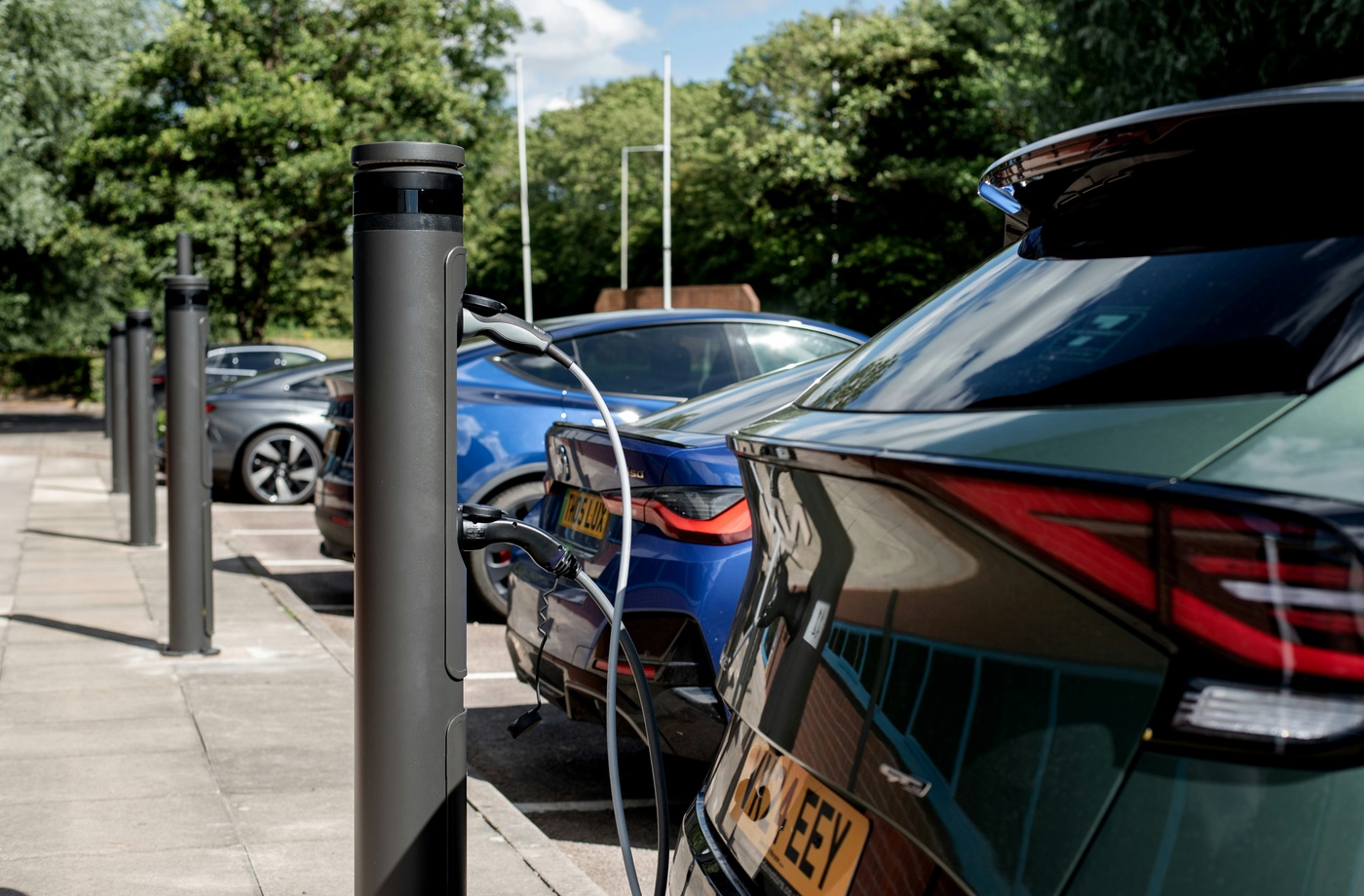
Solar canopies aren’t just an environmental upgrade—they’re a long-term revenue and resilience strategy for parking lot owners. These elevated structures not only provide shade and improve lot aesthetics but also generate clean energy that can offset utility costs or power onsite features like EV chargers and lighting systems.
As tax incentives, energy prices, and consumer expectations shift, solar is emerging as a smart investment for commercial lots of all sizes.
How solar canopies work in parking environments
Unlike rooftop panels, solar canopies are mounted above parking spaces, creating a dual-purpose structure. They harness sunlight to generate electricity while protecting vehicles from weather exposure. Energy generated can be used to:
- Power EV charging stations
- Offset building or facility electricity use
- Feed back into the grid for net metering credits
- Support backup systems during outages
Because they’re elevated, they also preserve full parking capacity—critical in high-demand lots.
Pair solar with EV charging for added revenue
Installing Level 2 or DC fast chargers under a solar canopy creates a compelling offering for drivers and additional monetization for owners. EV drivers appreciate shaded parking and sustainable power, which may justify premium pricing.
Some operators even integrate solar carports with software platforms like EV Connect or ChargePoint to track usage and offer flexible billing.
Cut infrastructure costs with cashback programs
Solar canopy projects often require materials like cabling, conduits, lighting, and concrete—which can be sourced through major retailers. Using cashback platforms like Fluz, you can earn cashback with a Home Depot gift card or get rewards with a Lowe’s gift card when purchasing supplies for prep or post-installation upgrades.
Stacking cashback on purchases with other incentives improves your ROI even further. Explore these perks at Fluz to see how cashback fits into your solar strategy.
Enhance branding and community appeal
Solar installations signal environmental leadership, which can improve tenant satisfaction, brand perception, and even attract sustainability-focused grants or tenants. For municipal lots or retail centers, it demonstrates a commitment to reducing carbon impact—something increasingly valued by both drivers and developers.
Evaluate long-term return on investment
While solar canopy systems have higher upfront costs than rooftop panels, they often yield faster payback due to visibility, dual function, and grant eligibility. Depending on location and system size, ROI can occur within 5–8 years, with energy production and savings continuing for decades.
Final thoughts
Solar canopies turn standard parking lots into forward-thinking energy hubs. By generating electricity, supporting EV adoption, and taking advantage of tax breaks and cashback opportunities, lot owners can dramatically increase the financial performance and long-term value of their properties. As clean energy becomes standard, now is the time to make the upgrade.